

Commentary: Soybean Rust in Brazil Today
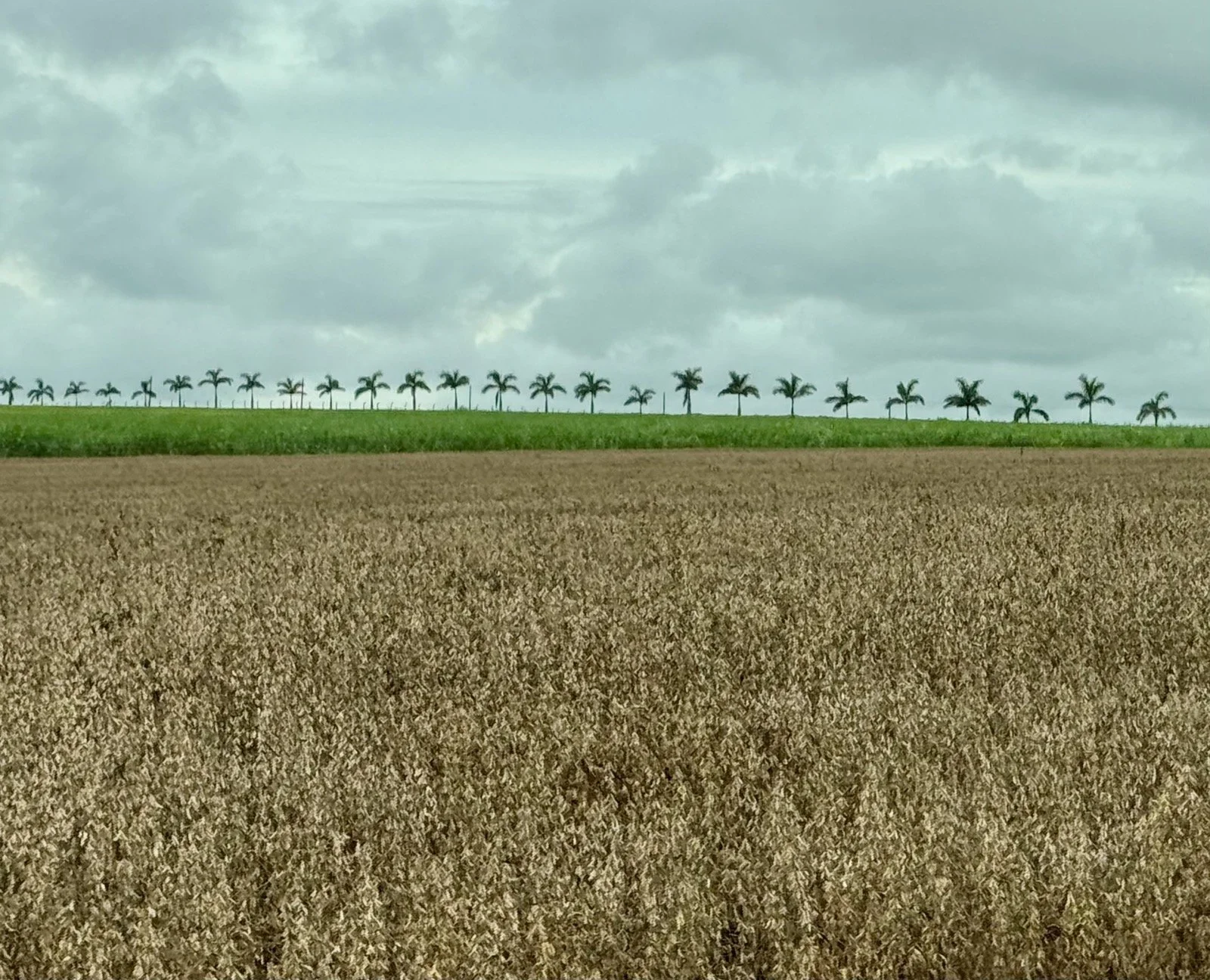
I started my recent trip to Brazil with a question: How well is Brazil managing soybean rust – the most damaging crop disease in its agricultural history?
The answer: Better than ever. But soybean rust is still here – in both the field and memories of growers.
When Phakopsora pachyrhizi, the fungus that causes soybean rust (SBR), landed in Brazil in 2001, it caught soybean producers off guard. Within just three years, it had spread to 90% of Brazilian soybean fields. Growers had few tools. Fear was justified: when uncontrolled, SBR can slash yields by up to 90%.
However, Brazil never experienced losses on that scale. Why? Because its response was swift and decisive. Fungicide use became widespread, and soybean rust management became a national priority.
And Brazil didn’t stop at spraying. The country implemented a coordinated, science-based strategy:
A 60–90 day soy-free period (“vazio sanitário”) to reduce inoculum between seasons
Earlier planting and shorter-cycle varieties to escape late-season epidemics
Breeding for genetic resistance
Together, these measures transformed soybean rust from an existential crisis into a “managed” threat. Now the industry is shifting focus toward emerging diseases, determined not to be blindsided again.
But control has come at a cost.
Today, Brazilian growers spend more than $2 billion per year to keep rust in check, often applying up to five fungicide sprays per season. It works, but it’s expensive and environmentally burdensome. And despite these measures … soybean rust is not solved.
History tells us fungicides don’t last forever; pathogens adapt. Even the newest soybean varieties that combine native resistance genes are at risk, as these genes have been individually overcome by separate races. Pathogen evolution is relentless.
So what’s next? It’s time to level up.
A more durable solution is within reach: multi-mode genetic resistance drawn from soybean’s wild relatives – genes with distinct mechanisms that have never before been deployed in commercial soybean. Unlike single gene resistance strategies that pathogens quickly overcome, stacking genes with distinct biological mechanisms raises the evolutionary barrier for the pathogen.
For 18 years, 2Blades has pursued this vision through separate partnerships with The Sainsbury Laboratory, Universidade Federal de Viçosa, Corteva Agriscience, and Bayer. By scanning diverse legume collections for new resistance genes and delivering them into breeding pipelines, 2Blades is helping to shift the industry from managing rust to outmaneuvering it.
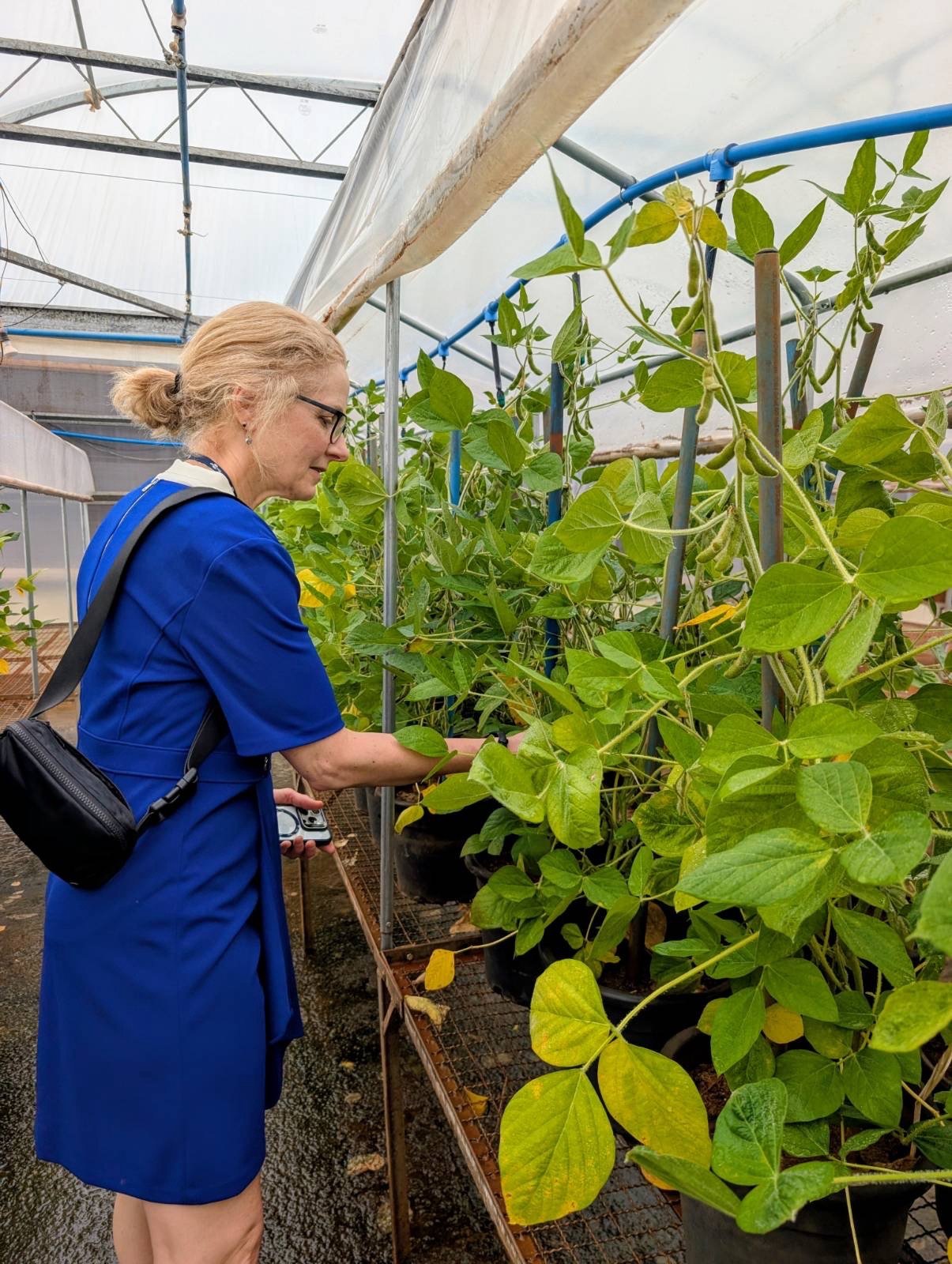
Touring Brazil and seeing again the humid conditions and heavy inoculum pressure that still favor SBR was a vivid firsthand reminder of why this strategy is critical.
Better management is good.
Durable resistance is better.
By advancing long-lasting soybean rust resistance and ensuring it reaches farmers, 2Blades is helping shape the future of soybean rust management.